


Ketogenic diets have become all the rage in recent years. But, what exactly sparks the completely insane thought of giving up the carby-goodness of pasta, rice, bread, and other glucose-filled meals? Knowing people who have gone keto and swear by it because of their weight-loss results, there are a couple questions I wanted answered. Is it sustainable? How hard is it to find quality, satisfying foods on a keto diet? Most importantly, is it healthy? In this post I explore the creation, science, and research topics that surround the keto diet, and discuss some of the pros and cons worth considering if you want to try it out.
Let’s start with the premise of the keto diet. As you probably already know, carbs are a no-no. The whole idea of a keto diet is to eat high-fat, low-carb foods to put your body in a metabolic state called “ketosis.” This means that your body is running off of stored and consumed fat for its fuel instead of carbs. Because the intake of carbs raises your blood sugar levels, putting your body in this state starves your cells of glucose. In response, the body produces “ketones,” a fancy-schmancy scientific word for the byproducts that are created by breaking down fats. This then becomes your body’s main energy source. The proportions for this diet are as follows: 5-10% carbs, 15-25% protein, and 70-80% fat. Typically, a person on a keto diet will eat less than 50 grams of carbs a day.
Is this diet right for you? Are you ready to put on your battle gear and fight carb cravings, while possibly losing weight? We’ve done a little research and compiled a list of pros and cons of following this high-fat, low-carb diet to help you decide.

All you have to do is Google “keto weight loss” and you will find millions of results and story after story about people who have quickly lost weight on the diet. In addition to personal testimonies from people around the world, certain studies have proven its legitimacy in controlled environments. One study in particular measured the weight loss on a ketogenic diet, versus a “regular” low-fat diet.[1] It found that there was a significant difference in the weight and blood pressure of individuals in the two groups. Those following the high-fat keto diet had a significant reduction in both areas.

Keto diets have been shown in multiple studies to reduce the number of seizures in children that don’t respond to seizure medication. One 2014 study showed a significant seizure reduction in over 50% of epileptic participants who stuck to a keto diet over a 24-month period.[2] In fact, the keto diet was used as a treatment for epilepsy until discovery of the anti-seizure drug Dilantin.[3] The science behind why the keto diet helps with epilepsy is still uncertain, however there are a few theories. One is the decreased amount of glutamate in the brain, which enhances the firing of random neurons, leading to seizures.[4] Another is the possibility that the keto diet enhances the production of inhibitor neurotransmitter gamma-aminobutyric acid (GABA). In English, that means that a keto diet supports the neurotransmitter that inhibits the random firing of neurons that cause seizures.

A low-carb, high-fat diet can be very beneficial for those struggling with type-2 diabetes. One study measured the effect a keto diet had on those with this condition, versus those with the same condition who followed a low-glycemic index diet. The results were that over 95% of participants who completed the study on the keto diet had a reduction in the use of their diabetes medications, or an elimination of them entirely.[5] This is compared with the 62% that followed the low-glycemic diet.

In a study researching the differences in hunger and appetite on a keto diet versus a low fat diet, dieters on the keto diet reported less food cravings and hunger, and higher reports of satiation.[6] They also reported to be in better moods as opposed to the low-fat diet group. After an initial withdrawal and adjustment period that might include brain-fog and a “keto-flu” (something that we’ll discuss in the cons section), satiation and energy levels seem to be higher after starting the diet.
Cons:

A popular concern when starting the keto diet is the high instance of kidney stones dieters seem to develop, especially after being on the diet for a long time. There have been incidents of children developing kidney stones on a keto diet being used to treat their epilepsy[7]—and doctors warn those with kidney disease to stay away from the keto diet because of the additional ketones the kidneys have to process.
.jpg/:/cr=t:0%25,l:0%25,w:100%25,h:100%25/rs=w:1280)
Dieters have reported feelings of brain fog, sluggishness, and overall unpleasantness when beginning the keto diet.[8] However, most self-reports state that these symptoms diminish over time, and are only of concern during an introductory period to the diet.

Many things are technically “keto” while still not being healthy for you. Red meat, pork, and heavy cream are all things that are permitted on a keto diet. A great way to ensure you’re following the diet appropriately and getting the results you want is to not overindulge in these unhealthy, saturated-fat laden foods. While it may be tempting—especially when you’re first starting the diet—both you and your arteries will be happy you stayed away.
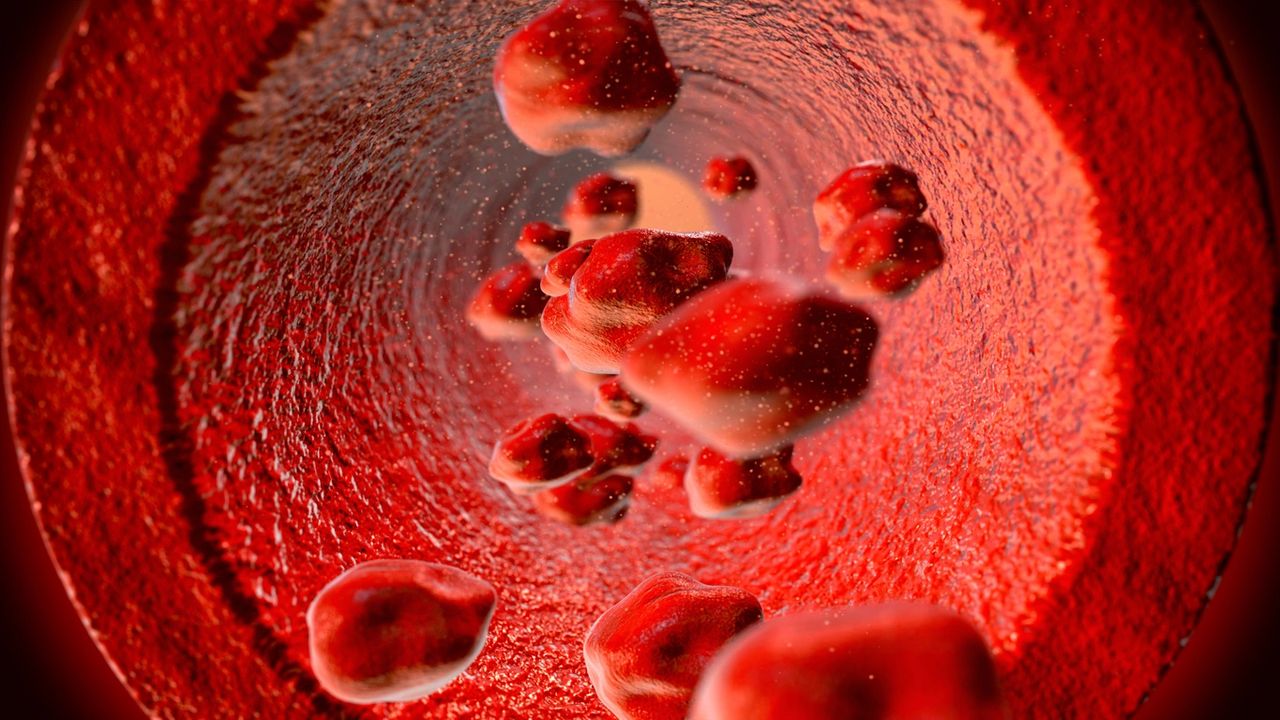
When the body stores up too many ketones, the blood can become overly acidic, leading to a condition called ketoacidosis. It’s just as unpleasant as it sounds—it can lead to damage to the kidneys, brain, and liver. Generally, those who have to worry about this condition are people who have diabetes, but it is possible for this to happen to anyone on a keto diet. If you have any pre-existing condition, always talk to your doctor first to see if this diet is right for you.
There are a lot of positives and negatives to adopting this diet. Is it right for you? As with any major lifestyle change, you should consult with your doctor before trying a ketogenic diet. Many people swear by it, while others prefer other methods of losing weight. The research is still uncertain if this diet is sustainable long-term, but because of its popularity, it should become clear in future years.
References:
[1] Bueno, N., De Melo, I., De Oliveira, S., & Da Rocha Ataide, T. (2013). Very-low-carbohydrate ketogenic diet v. low-fat diet for long-term weight loss: A meta-analysis of randomised controlled trials. The British Journal of Nutrition, 110(7), 1178-1187.
[2] Nei, Ngo, Sirven, & Sperling. (2014). Ketogenic diet in adolescents and adults with epilepsy. Seizure: European Journal of Epilepsy, 23(6), 439-442.
[3] Lutas, & Yellen. (2012). The ketogenic diet: Metabolic influences on brain excitability and epilepsy. Trends in Neurosciences, 36(1), 32-40.
[4] Ibid
[5] Westman, E., Yancy, W., Mavropoulos, J., Marquart, M., & Mcduffie, J. (2008). The effect of a low-carbohydrate, ketogenic diet versus a low-glycemic index diet on glycemic control in type 2 diabetes mellitus. Nutrition & Metabolism, 5(1), 36.
[6] Mcclernon, F., Yancy, W., Eberstein, J., Atkins, R., & Westman, E. (2007). The Effects of a Low-Carbohydrate Ketogenic Diet and a Low-Fat Diet on Mood, Hunger, and Other Self-Reported Symptoms*. Obesity, 15(1), 182-7.
[7] Kossoff, E., Pyzik, P., Furth, S., Hladky, H., Freeman, J., & Vining, E. (2002). Kidney Stones, Carbonic Anhydrase Inhibitors, and the Ketogenic Diet. Epilepsia, 43(10), 1168-1171.
[8] Harvey, C., Schofield, G., & Williden, M. (2018). The use of nutritional supplements to induce ketosis and reduce symptoms associated with keto-induction: A narrative review. PeerJ, 6(3), E4488.

